

Cremation – Smoke & Ash: Clarifying Misconceptions
Contrary to media portrayals, crematoriums should not emit smoke and ash. This is ensured through stringent regulations and advanced technology.
Air Discharge Licence: All crematoriums must operate under local and national laws, including holding an Air Discharge licence. This requires annual audits and emissions testing every five years by certified air quality scientists. These measures ensure that only a heat haze is released from the stack.
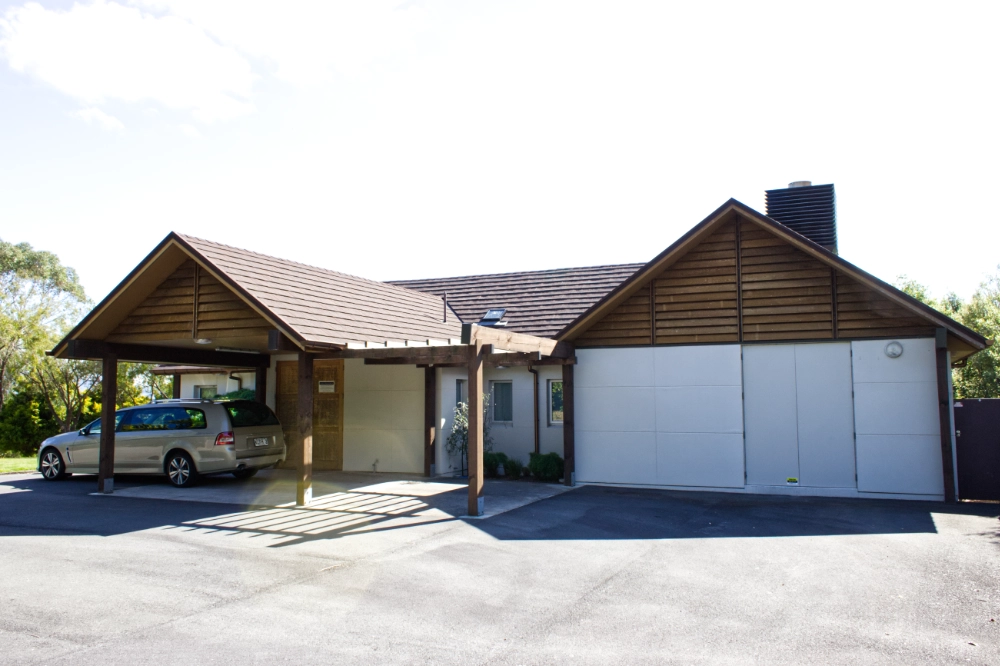
Cremator Design: Crematoriums vary in design. Cold hearth units use a secondary chamber to re-burn emissions, requiring tall stacks to manage unburned particles. In contrast, hot hearth units feature a floating floor design that allows emissions to be recirculated at high temperatures (minimum 850 degrees Celsius), ensuring complete combustion and preventing particulate release. Our Kapiti Crematorium is one of these ‘high tech’ Hot Hearth designs.
Pollution Control Systems: Modern cremators, like the one at Kapiti Crematorium, can be equipped with pollution control systems. These utilise thermocouples and cameras to monitor emissions. If any ash or smoke reaches the internal stack base, the system automatically adjusts operational parameters to mitigate the issue, often caused by items like rubber or plastics in the casket. Kapiti Crematorium has this additional Pollution control system.
Remote Support: Technicians in the US can remotely access the cremation system. If any potential problems arise, such as with heavier remains, they can override settings to maintain optimal performance while monitoring via remote direct access.
In summary, smoke and ash from crematoriums would only occur with faulty machinery. Such failures could jeopardise the Air Discharge licence, making it crucial for operators to ensure their systems function correctly.


